
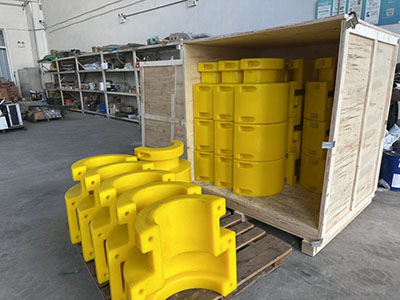
Technical comparison of Vertebrae vs. Articulated Bend Restrictors: Learn which subsea protection system offers the best balance of installation efficiency and structural reliability for your offshore assets.
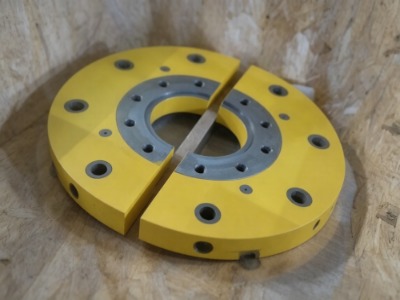
This high-performance riser hang-off collar features a clamp-on, split design that enables safe and efficient installation on existing pipelines without the need for pipe disassembly.
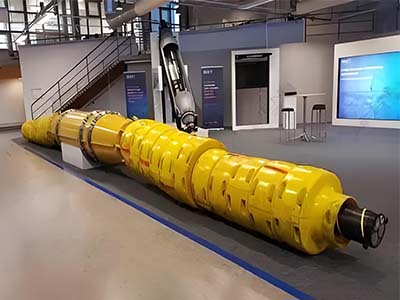
Subsea cable bend restrictor was designed to safeguard subsea umbilicals, cables, flexible jumpers, flexible flowlines, and riser touchdown zones. However, it has also found numerous applications across various industries.
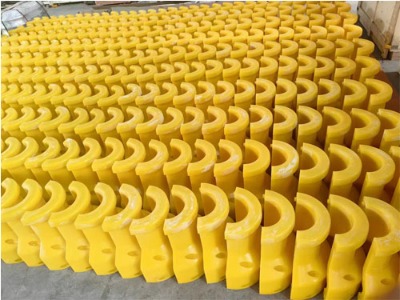
Protect your subsea assets from fatigue failure with Philson’s high-performance VBR solutions—engineered for extreme offshore environments and rapid, cost-effective installation.
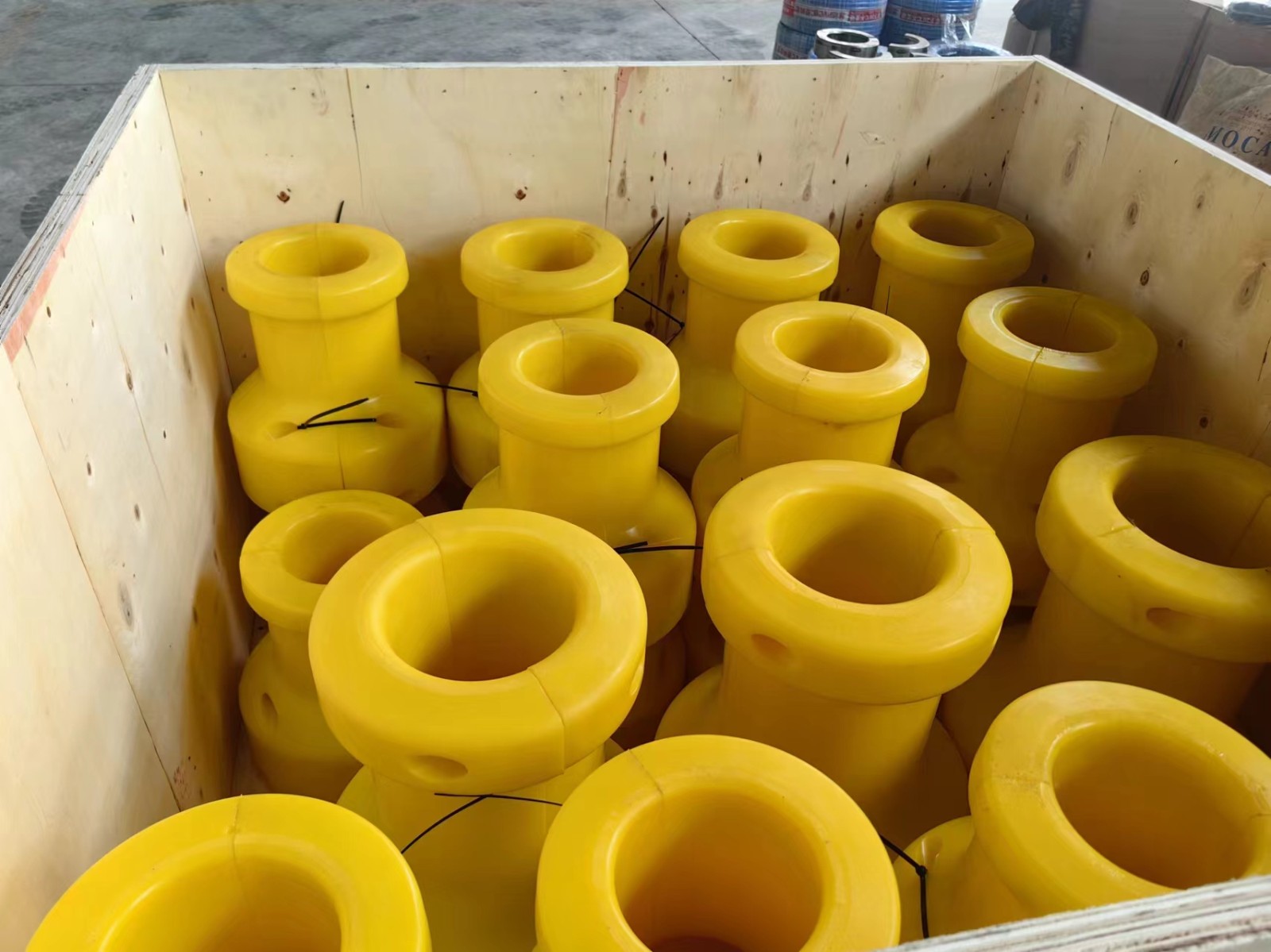
Polyurethane bend restrictors require precise installation, environmental checks, and regular maintenance to successfully stop subsea cable over-bending and fatigue.
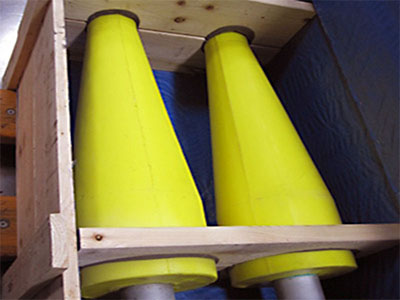
How advanced API-standard Polyurethane Bend Stiffeners eliminate subsea cable fatigue and over-bending by optimizing stress distribution at critical connection nodes.
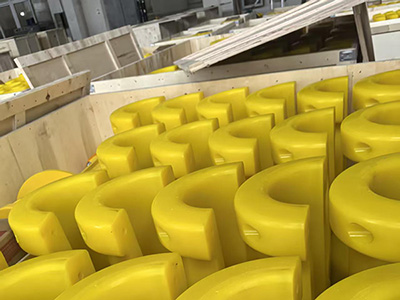
Thailand-bound subsea cable bend restrictors feature an interlocking modular design and seawater-corrosion resistance to safeguard regional marine energy and communication lifelines.
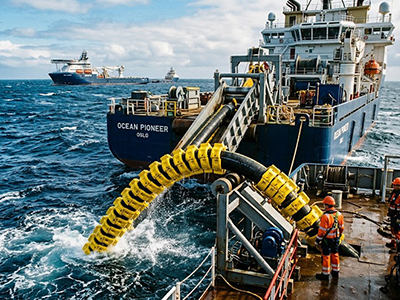
This technical guide outlines the essential parameters for selecting subsea bend restrictors, focusing on application identification, minimum bend radius (MBR) matching, polyurethane material stability, and efficient offshore installation.
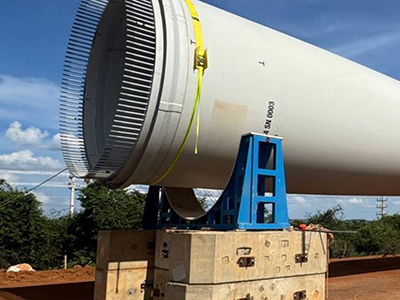
Our non-skid polyurethane liners provide critical cushioning and anti-slip protection for giant wind tower sections during heavy-duty logistics.
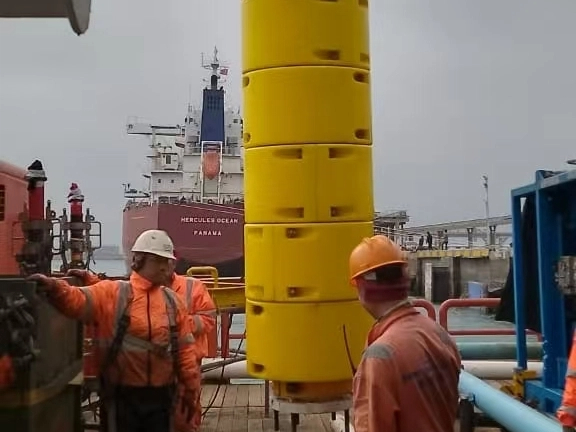
Protect subsea cables with high-performance bend restrictors. Prevent over-bending, extend service life, and avoid costly offshore repairs in wind, oil & gas, as well as marine engineering projects.