How to Enhance Marine Safety With Subsea Cable Bend Restrictors
As the global digital economy and the offshore wind industry expand at an unprecedented pace, subsea cables have become the "lifelines" of global communications and energy transmission. However, the complex and volatile marine environment—ranging from powerful deep-sea currents to rugged, uneven seabeds—constantly threatens the integrity of this critical infrastructure. In the ongoing effort to secure marine industrial safety, subsea cable bend restrictors are playing an increasingly vital role.
What Are Cable Bend Restrictors?
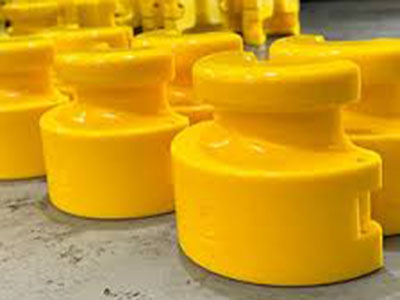
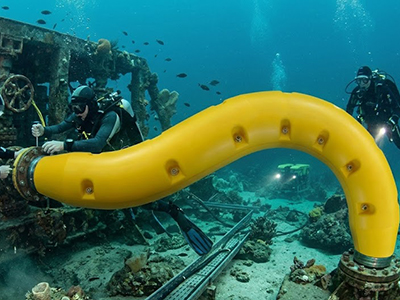
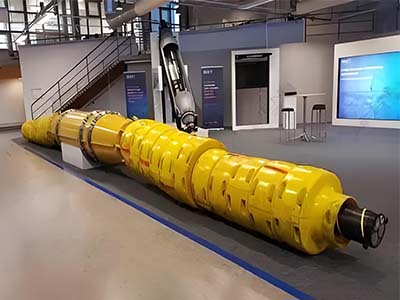
A bend restrictor is a mechanical device installed at the termination points of cables or pipelines. Its primary function is to limit the bend radius of the cable, ensuring it does not exceed the material's physical design limits. By doing so, it prevents structural fatigue, fiber-optic fractures, or damage to high-voltage insulation layers caused by excessive bending.
Key Advantages of Cable Bend Restrictors
1. Mitigation of Overload and Fatigue Damage: Marine environments are subject to persistent tidal forces and currents, which create a continuous "wobbling" effect on cables. This can cause significant stress at connection points. Bend restrictors effectively distribute this stress, ensuring the cable maintains a safe operating arc and significantly extending the service life of the infrastructure.
2. Adapting to Extreme Installation Conditions: In offshore wind farms or deep-sea oil and gas exploration, the installation process is often fraught with challenges. Bend restrictors ensure that cables maintain their intended geometry as they enter J-tubes or termination connectors, preventing potential failures caused by installation angle offsets.
3. Fortification Against Environmental Hazards: Submarine landslides or uneven seabed topography can often leave cables unsupported, leading to "free-span" scenarios. In these instances, the weight of the cable can easily cause a dangerous "kink" or sharp bend. Bend restrictors provide rigid support to these sensitive areas, acting as a primary defense line against geological-induced damage.
Technological Evolution and Future Trends
As deep-sea engineering projects push into deeper and more remote waters, bend restrictor technology continues to evolve:
High-Performance Corrosion-Resistant Materials: The industry is increasingly utilizing lightweight polymers and advanced alloys that are highly resistant to salt spray and bio-fouling, ensuring long-term durability in harsh, deep-sea conditions.
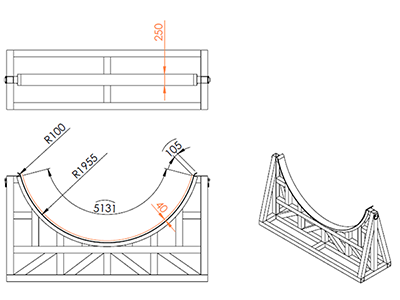
Modular and Custom Designs: Through advanced computational modeling, manufacturers are now creating bespoke restrictors tailored to specific cable diameters and environmental parameters to achieve optimal stiffness matching.
Integrated Smart Monitoring: Next-generation bend restrictors are beginning to incorporate sensors that provide real-time feedback on the cable’s stress state, offering crucial data for predictive maintenance.
Protecting subsea cables is vital for global communication and energy stability. By using high-quality bend restrictors at critical junctions, companies can prevent costly failures and ensure long-term operational reliability.