Polyurethane Bend Restrictors: Best Practices for Installation and Maintenance
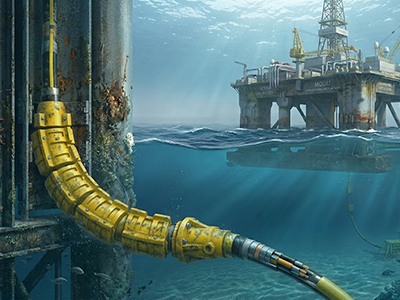
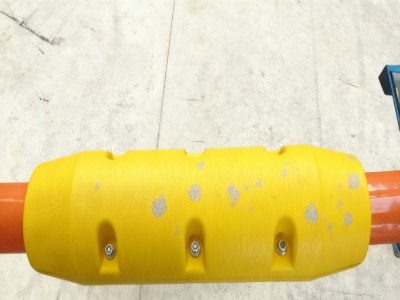
As a critical protection device, the polyurethane bend restrictor is widely used on pipes, cables, and hoses. It effectively prevents damage caused by over-bending and significantly extends asset service life. However, proper installation and ongoing maintenance are just as vital as the quality of the device itself.
1. Correct Installation and Positioning
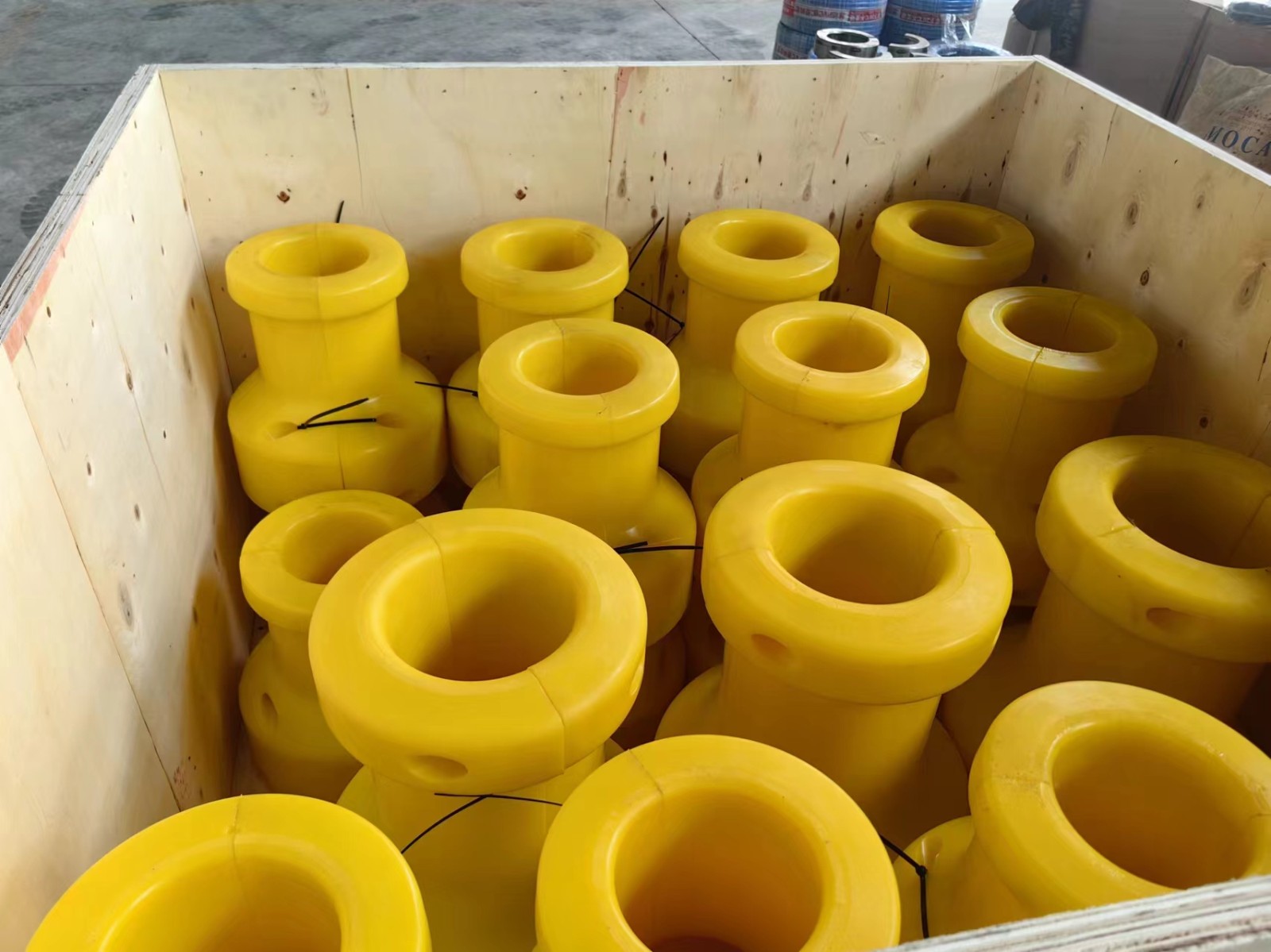
Accurate Measurement: Before installation, precisely measure the outer diameter and minimum bend radius (MBR) of the pipe or cable. Selecting a perfectly matched bend restrictor ensures optimal protection.
Precise Positioning: Mark the installation zone to ensure the restrictor aligns perfectly with the pipeline's bending center. Any deviation can cause localized stress concentration, compromising the protection.
Moderate Fastening: When securing the restrictor with specialized fasteners, apply moderate torque. Over-tightening can deform the polyurethane material, while loose fastening will cause the device to slip and lose its effect.
2. Environmental Adaptability
Temperature Ranges: Although polyurethane offers excellent thermal stability, prolonged exposure to extreme temperatures can degrade performance. Always verify that the ambient operating temperature aligns with the product’s certified specifications.
Chemical Compatibility: Exposure to certain harsh chemicals can cause polyurethane to degrade. When deploying in chemical plants or corrosive marine environments, material compatibility must be verified in advance.
3. Regular Inspection and Maintenance
Visual Inspections: Periodically inspect the bend restrictor for signs of cracks, wear, or permanent deformation. Damaged units must be replaced immediately.
Fastener Checks: Inspect all bolts and fasteners during routine maintenance to ensure no components have vibrated loose.
Cleaning: Clean the surface using a mild detergent and a soft cloth. Avoid aggressive chemical solvents, which can permanently damage the polyurethane structure.
4. Precautions for Specialized Applications
Dynamic Environments: For applications involving frequent bending or heavy vibration, select high-toughness, fatigue-resistant polyurethane grades designed for dynamic loads.
High-Pressure Systems: For pressurized pipelines, deploy reinforced polyurethane bend restrictors to ensure the pipe remains fully protected under intense internal pressure.
Conclusion
The correct use and proactive maintenance of polyurethane bend restrictors not only maximize the lifespan of the protector itself, but also safeguard the operational safety and stability of the entire subsea or industrial system.