Subsea cables, flexible hoses, and rigid pipelines are the lifelines of offshore wind farms, oil and gas platforms, and oceanographic research. However, left unsupported, the immense deadweight of these static and dynamic lines can lead to catastrophic structural failure, kinking, or severe seabed abrasion.
This is where Subsea Buoyancy Modules become critical infrastructure components. By providing precise, calculated uplift, these high-engineered solutions mitigate mechanical stress and ensure the long-term survivability of underwater assets.
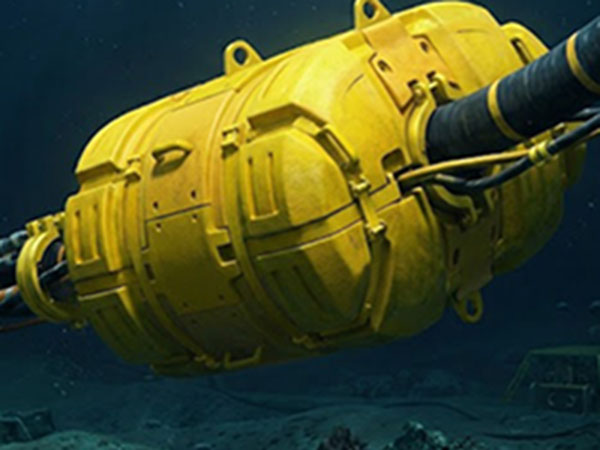
What is a Subsea Buoyancy Module?
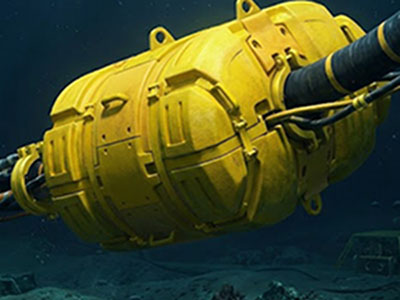
Unlike standard water-surface floats used in shallow dredging or near-shore applications, a Subsea Buoyancy Module is a highly technical hardware system engineered to withstand extreme hydrostatic pressure at significant depths (ranging from dozens to thousands of meters).
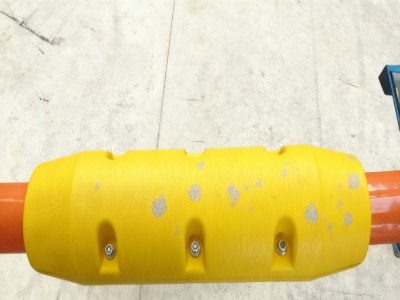
They are typically modular, clamp-on structures designed to wrap around subsea lines, transforming raw, heavy deadweight into controlled, predictable underwater geometry.
Key Applications: Cables, Hoses, and Pipelines
Subsea buoyancy modules are versatile but must be precision-calibrated depending on the specific line they are supporting:
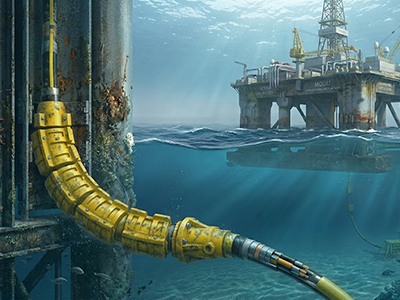
Subsea Power & Array Cables: In the offshore wind sector, dynamic subsea cables transfer power from floating wind turbines to substations. These cables experience continuous motion from waves and currents. Buoyancy modules are deployed to create specific wave configurations, such as Lazy-S or Wave-Frame profiles, suspending the cable safely mid-water to prevent touchdown friction against sharp seabed rocks.
Flexible Hoses & Umbilicals: Flexible hoses and umbilicals carry hydraulic fluids, chemicals, and power to subsea control systems. Because they are highly flexible, they are susceptible to over-bending or crushing under their own weight. Buoyancy modules reduce top-tension loading on connecting platforms and prevent localized bending stresses from exceeding the hose's minimum bend radius (MBR).
Subsea Pipelines: For oil, gas, or water transit pipelines, targeted buoyancy is utilized during installation, localized spanning over seabed depressions, or at touchdown zones. Providing localized uplift prevents structural buckling and stabilizes pipelines against heavy deep-sea currents.
Subsea Buoyancy Modules are not generic products; they are critical, precision-engineered solutions designed to secure millions of dollars in offshore infrastructure. By effectively balancing underwater weight, reducing dynamic stress, and preventing bend fatigue, these systems maximize the operational life of subsea cables, hoses, and pipelines in the world’s harshest environments. For your next offshore development project, ensuring that your buoyancy modules are customized exactly to your depth ratings, line diameters, and hydrodynamic forces is the ultimate assurance of subsea reliability.
How Do Our Subsea Buoyancy Modules Withstand Deep-Sea Pressure, Marine Growth, and High-Transit Temperatures?
Subsea Buoyancy Modules combine rugged PU shells and syntactic foam cores to prevent deep-sea collapse and biofouling, while utilizing polyurethane elastomer liners to ensure zero-slip clamping during 80°C pipeline thermal fluctuations.