In the harsh environments of deep-water and offshore energy extraction, managing the weight and tension of subsea cables, risers, and umbilicals is a critical engineering challenge. Distributed Buoyancy Module Systems (DBMs)have emerged as the industry-standard solution to prevent fatigue, reduce top-tension, and ensure the structural integrity of subsea assets. Whether for offshore wind farms or oil and gas extraction, understanding how DBMs work and choosing the right supplier is key to long-term project success.
What is a Distributed Buoyancy Module (DBM) System?
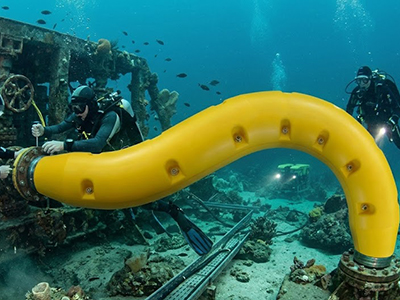
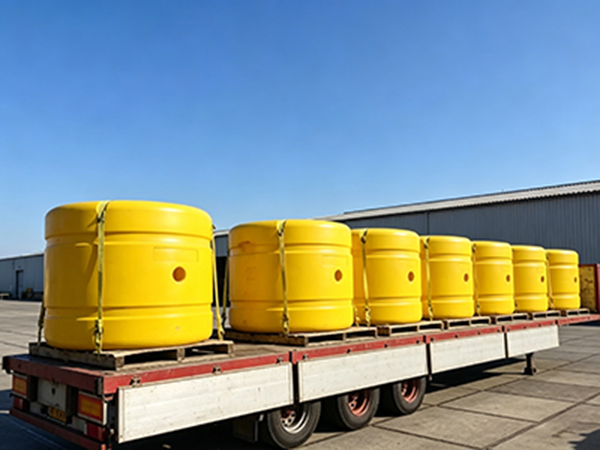
A Distributed Buoyancy Module System consists of a series of buoyant elements clamped along a subsea riser, umbilical, or power cable.
Its primary function is to provide localized uplift, neutralizing the submerged weight of the cable. By doing so, DBMs allow engineers to create specific geometric configurations underwater—such as the Lazy Wave, Steep Wave, or
Chinese Lantern—to decouple the vessel's surface motion from the seabed connection.
Key Components of a DBM System
A standard DBM assembly typically includes:
1. Internal Clamp: A high-friction, precision-engineered clamp that grips the cable without damaging it.
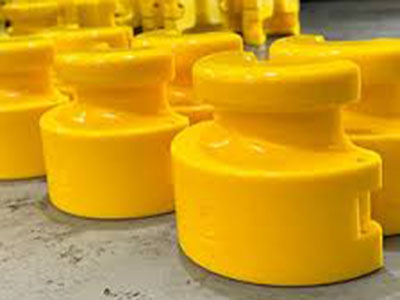
2. Buoyancy Elements: Two symmetrical half-shells made of syntactic foam, encapsulated in a tough, impact-resistant polyethylene/polyurethane outer shell.
3. Securing Hardware: Corrosion-resistant straps or bolts (often titanium or super-duplex steel) that lock the system together.
Why are DBMs Critical for Offshore Wind & Subsea Oil & Gas?
1. Stress & Fatigue Relief: Dynamic risers and cables are constantly subjected to ocean currents, tides, and the heaving motion of floating production platforms (like FPSOs or floating wind platforms). DBMs absorb these dynamic loads, preventing severe bending stresses and kinking.
2. Tailored Subsea Configurations: By strategically placing buoyancy modules, engineers can create a buoyancy curve. This curve acts as a shock absorber, ensuring that the movement of the floating platform doesn't yank the cable off the seabed.
3. Material Integrity in Deep Waters: Modern DBM systems utilize Syntactic Foam technology. Unlike standard foam, syntactic foam uses hollow glass microspheres embedded in a polymer resin, allowing it to withstand extreme hydrostatic pressures in deep and ultra-deep waters without losing buoyancy or crushing.
Advanced Materials: Ensuring Hydrolysis & Impact Resistance
Material Component | Properties & Benefits |
Syntactic Foam Core | High buoyancy-to-weight ratio, zero water absorption under high pressure. |
Outer Protective Shell | Rotationally molded polyethylene (PE) or polyurethane (PU) for high impact and abrasion resistance during installation. |
Polymer Internal Clamps | Designed to prevent creep and stress relaxation while providing excellent seawater hydrolysis resistance. |
DBM Installation and Field Applications
Distributed Buoyancy Modules are highly versatile and are deployed using standard offshore installation vessels. They are critical in:
Floating Offshore Wind (FOW): Supporting dynamic inter-array and export power cables.
Subsea Umbilicals, Risers, and Flowlines (SURF): Managing hydraulic and electrical lines in oil & gas.
Deep-Sea Mining & Infrastructure: Protecting optical fibers and power feeds.
At Philson, we specialize in high-performance subsea cable protection systems, including bend restrictors, buoyancy modules, and custom polyurethane subsea components. Our systems are engineered to endure the most demanding marine environments.
Looking for a technical consultation or a quote for your next subsea project? Contact our engineering team today.