Submarine Cable System Bend Restrictor
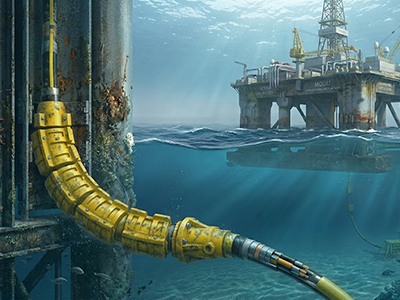
The primary role of a bend restrictor is to safeguard submarine cables by mechanically enforcing a pre-set Minimum Bend Radius (MBR). In challenging underwater conditions, this "lock-out" mechanism prevents excessive stress, structural fatigue, and over-bending damage, ensuring long-term cable reliability.
1. Core Protection Principles
MBR Enforcement: The system consists of interlocking modules that lock together at a specific curvature, ensuring the cable never bends beyond its safe limit.
Load Redistribution: It diverts damaging mechanical loads (from currents or tension) away from the cable’s sensitive internal fibers and conductors.
Interface Strengthening: Crucial at rigid-to-flexible transitions, providing a stable support structure at cable joints and terminations.
2. Technical Features of Polyurethane (PU) Systems
Polyurethane is the preferred material for high-performance subsea protection due to its unique mechanical properties:
1. Structural Durability: Engineered to withstand the extreme hydrostatic pressure and harsh conditions of the deep sea.
2. Corrosion & Chemical Resistance: PU is inherently resistant to seawater corrosion, salt spray, and microbial attachment, making it ideal for 25+ year lifecycles.
3. Dynamic Impact Absorption: Its high-toughness elastomer structure absorbs external shocks and impacts (e.g., from fishing gear or anchors), reducing the risk of sheath damage.
4. Environmental Resilience: Maintains consistent mechanical performance across extreme temperature variations and resists UV degradation during the installation phase.
5. Lightweight Efficiency: Compared to traditional steel, the lightweight design facilitates easier handling on deck and reduces vessel time during installation.
3. Strategic Applications in Submarine Engineering
Offshore Energy Infrastructure: Essential for protecting subsea cables in offshore wind farms and oil & gas pipeline systems.
Dynamic Seabed Environments: Designed for areas with high-velocity currents and frequent cable movements to prevent fatigue failure.
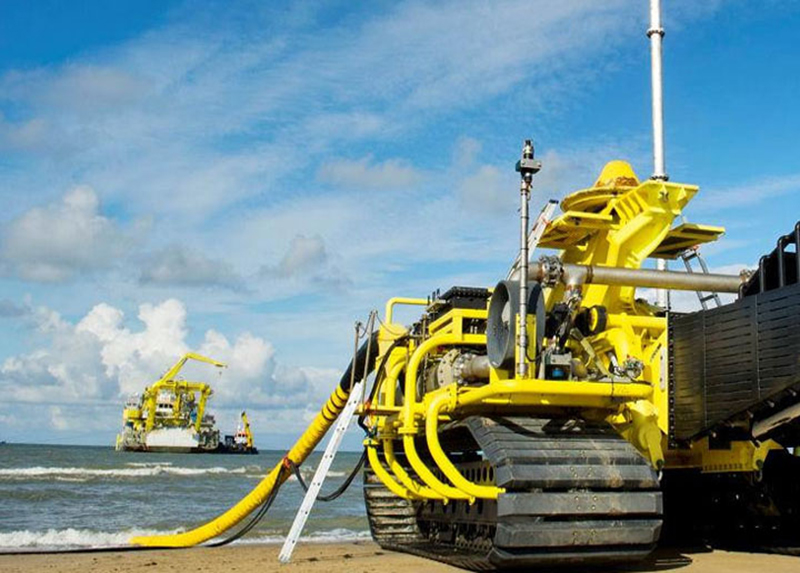
Shore Landings: Provides critical stabilization for cables navigating rocky seafloors or unembeddable terrain.
Turnkey Efficiency: The split-unit modular design streamlines deployment and significantly reduces long-term subsea maintenance needs.
Conclusion: Enhancing Subsea Asset Integrity
Polyurethane bend restrictors are vital components for modern submarine cable systems. By integrating high-strength engineering with material flexibility, they extend the operational lifespan of subsea assets and deliver superior cost-efficiency by minimizing repair and replacement risks. Contact us!