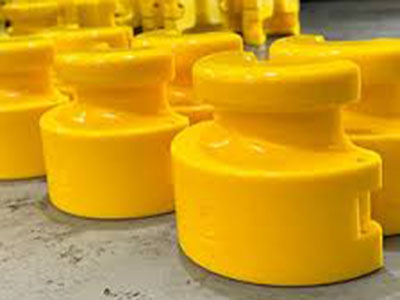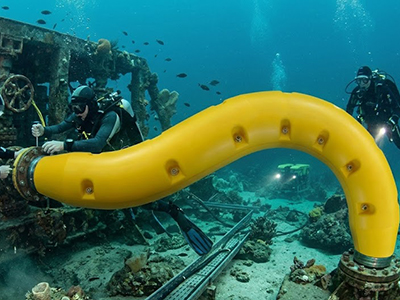
Polyurethane Bend Restrictors for Submarine Cables and Umbilicals
In offshore wind, oil & gas, and subsea telecommunications, submarine cables and umbilicals serve as critical infrastructure. During installation and long-term operation, they face serious risks such as over-bending, buckling, fatigue, and insulation damage. A high-performance bend restrictor is essential to maintain safe minimum bending radius (MBR) and extend service life.
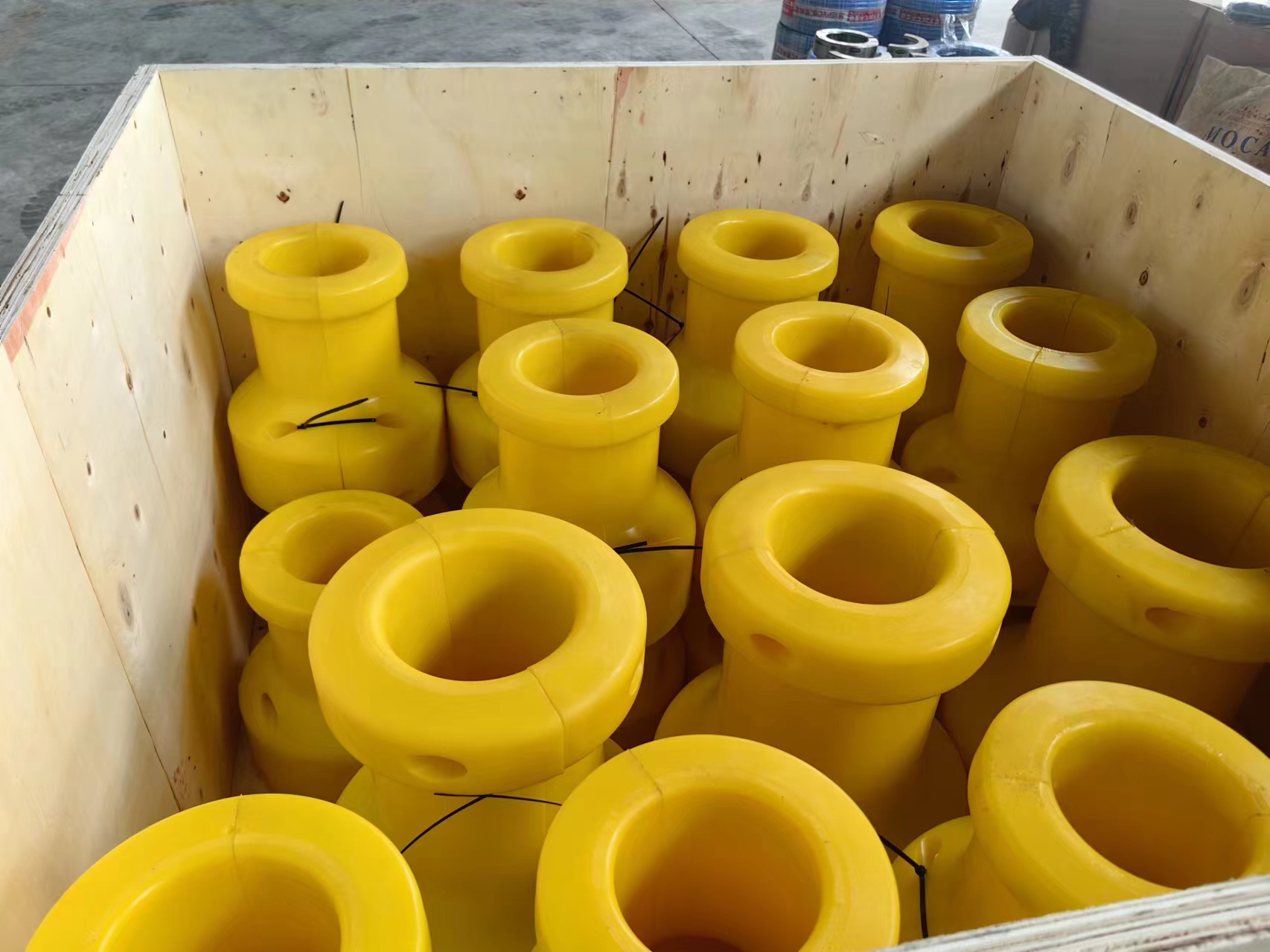
Philson Intelligent Equipment Co., Ltd specializes in OEM polyurethane (PU) bend restrictors designed for harsh marine environments. Our products deliver reliable mechanical protection for dynamic and static subsea cable systems worldwide.
How PU Bend Restrictors Work: Vertebrae Locking Mechanism
Our bend restrictors feature an interlocking vertebrae structure composed of matched half-shell segments.
Safe Flexibility: Allows free cable movement within permitted bending ranges.Automatic Locking: Locks mechanically when the preset bending radius is reached, forming a rigid protective arc.
Load Distribution: Transmits excessive bending stress to the restrictor body, preventing cable kinking, core breakage, and failure.
Key Material & Technical Advantages
Built with high-grade polyether-based polyurethane, our bend restrictors offer superior performance for subsea conditions:
Inherent corrosion resistance: 100% immune to seawater, marine organisms, and UV degradation.
High impact resilience: Absorbs shock and fatigue without permanent deformation.
Lightweight structure: Easy to handle, install, and deploy subsea.
Long service life: Stable performance in deepwater and high-current environments.
Technical Specifications
| Parameter | Description / Typical Value |
|---|---|
| Primary Material | High-Grade Polyether-based Polyurethane (PU) |
| Typical Application | J-Tubes, Monopiles, Wellheads, Cable Landings |
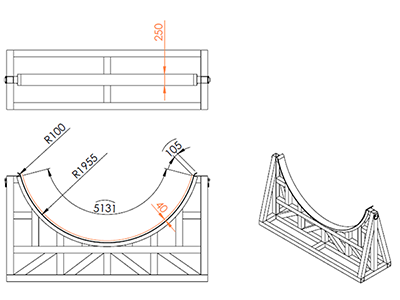
| Locking Radius | Customized from 0.5m to 5.0m+ |
| Water Depth Rating | Suitable for Deepwater (up to 3000m) |
| Density | Approx. 1100 - 1200 kg/m³ |
| Corrosion Resistance | 100% Resistant to Seawater, Microorganisms, and UV |
Main Applications
Offshore Wind: Protect array cables and export cables at J-tubes and monopile foundations.
Oil & Gas: Safeguard subsea umbilicals and flowlines at wellheads and connectors.
Wave & Tidal Energy: Resist dynamic stress in high-energy coastal zones.
Telecommunication: Protect submarine fiber optic cables in rocky and high-current areas.
Contact Us
For professional subsea cable protection solutions and OEM bend restrictor inquiries, contact us today for technical support and project quotations. Contact us today !