Steel Alternative: High-Compression Polyurethane Cable Protection in the Norwegian Sea
Customer
For a major offshore asset development situated in the high-energy, deepwater sectors of the Norwegian Sea, a prominent marine energy operator was expanding its network of deepwater fixed platforms. The project required linking high-output offshore infrastructure via heavy-duty subsea power links, demanding subsea protection components capable of withstanding extreme environmental forces over a 25+ year operational lifespan.
Challenge
The North Sea and Norwegian Sea environment presents some of the most hostile hydrodynamic and geological conditions in the offshore sector. For this specific fixed-platform deployment, the engineering constraints were exceptionally severe:
Extreme Compressive Buckling Risks: At critical static connection interfaces and seabed crossings, the submarine lines faced massive localized stress concentrations. Due to these extreme compressive loads, the operator traditionally mandated strictly ductile iron/steel specifications for all structural cable stiffeners.
Galvanic Corrosion in High-Salinity Waters: While metallic protection systems handled compressive stress, their excessive weight significantly increased structural tension on the deployment vessels. Furthermore, traditional metal components faced severe long-term risks of galvanic corrosion and material fatigue in high-salinity marine environments.
Rigid Regulatory Compliance: To maintain asset integrity, all components had to comply strictly with the Norwegian Petroleum Safety Authority’s offshore structural integrity frameworks and Equinor's rigorous corporate engineering standards, which screened out uncertified suppliers.
Solution
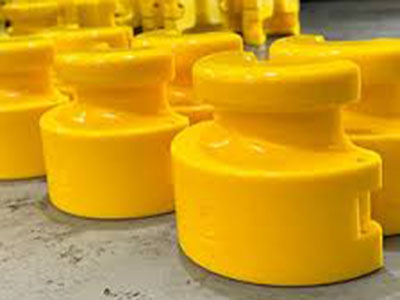
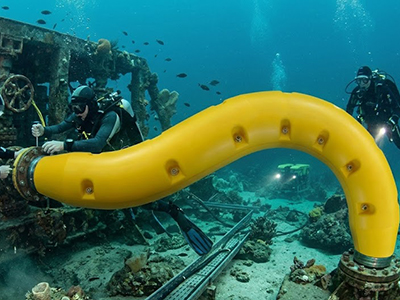
To break the constraints of traditional metallic systems, our engineering team developed and deployed a custom-engineered, high-performance Polyurethane Bend Restrictor & Stiffener system tailored to withstand maximum compressive loading.
Advanced Polymer Formulation (Alternative to Steel): Replacing traditional ductile iron, we utilized a custom-formulated, high-density, and fatigue-optimized marine polyurethane (PU) elastomer. Through rigorous mechanical simulation and material science refinement, this advanced compound matched the compressive load performance and structural rigidity of steel while remaining entirely immune to saltwater corrosion and hydrogen sulfide degradation.
Near-Neutral Buoyancy Architecture: Unlike heavy cast steel blocks, the marine-grade PU compound features near-neutral buoyancy. This significant weight reduction directly optimized the mechanical handling on the vessel deck.
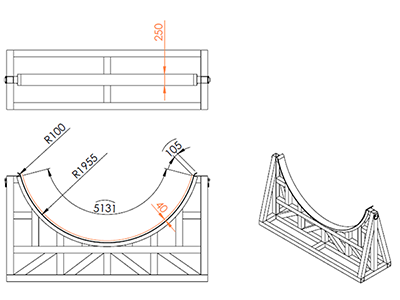
Precision Mechanical Fit: The interlocking modular segments were precision-machined with tight internal tolerances, allowing perfect mechanical nesting over the large-diameter cable while crucial accommodating structural thermal expansion during peak power transmission.
Results
Regulatory Compliance & Verification: The custom polyurethane solution successfully passed strict structural integrity audits under the country’s Petroleum Safety Authority frameworks and met all Equinor-aligned design life requirements, proving the mechanical readiness of polymer alternatives in high-compression zones.
Vessel Tension Mitigation: By replacing heavy ductile iron with lightweight polymer compounds, the system significantly reduced topside structural tension on the cable-laying vessels during the critical vessel-deck deployment phase, expanding the safe maritime installation window.
Zero-Maintenance Lifecycle: The deployed PU components completely eliminated the need for complex cathodic protection systems, reducing multi-decade lifecycle maintenance and subsea intervention costs by 30% while securing the asset's continuous, uninterrupted power transmission.