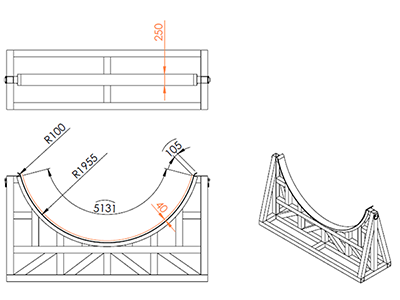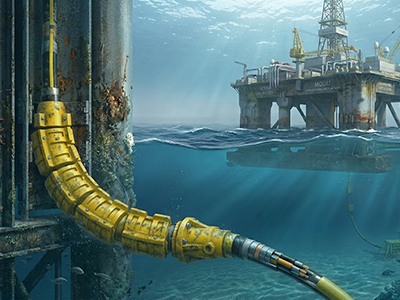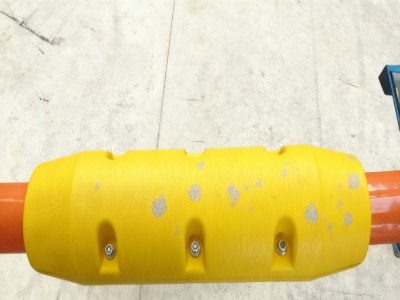
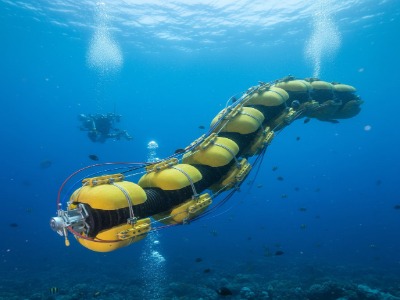
Distributed Buoyancy Modules (DBMs) are engineered assemblies attached to flexible risers, umbilicals, and subsea cables to control the vertical and horizontal profile of a line, reduce tension, and prevent damage to the system. DBMs provide controlled uplift and location control along the pipeline so that the line maintains its designed geometry throughout its service life.
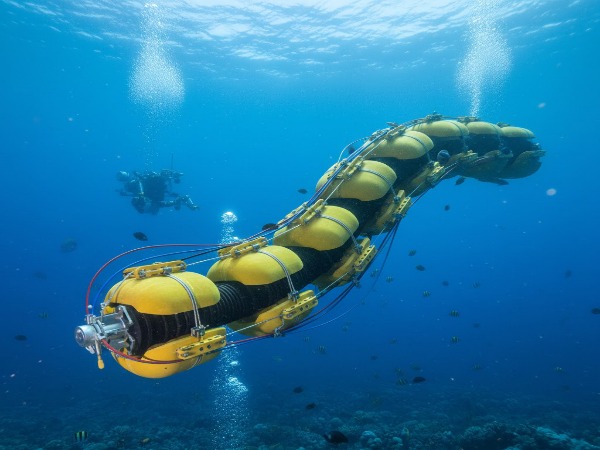
Basic Construction And Components
Clamp: A metallic clamp secures the assembly to the riser or umbilical. Typical designs use bolted or hinged clamps that enable retrofit installation at any point along the pipeline.
Buoyancy segments: Most DBMs use a two-part buoyancy component that splits and assembles around the clamp; segments are then mechanically locked and held with circumferential straps.
Elastomeric pad: Sits between clamp and line to distribute loads, eliminate point contact, and protect the sheath.
Retention hardware: Circumferential straps or bands secure the buoyancy segments and provide the mechanical locking mechanism. Materials for these elements are chosen for long-term subsea compatibility.
Materials And Buoyancy Types
Buoyant material: Common choices include syntactic foam for deepwater use (high compressive strength and minimal water ingress) and closed-cell foams or engineered plastics for shallower depths. Syntactic foam is widely used for operations down to 6.000 m and beyond because it retains buoyancy under high hydrostatic pressure.
Structural components: Clamps and straps are typically stainless steel, duplex, super duplex, or corrosion-resistant alloys with appropriate coatings to resist local corrosion, fatigue and wear.
Elastomers: Shore hardness and compound are selected to protect line jackets without causing slippage or excessive deformation.
Benefits
Reduces top-tension and bending loads on risers and umbilicals.
Protects external sheaths from wear and damage.
Modular and retrofit-capable — can be installed at any point along a line.
Scalable for deepwater operations (to 6.000 m and beyond) using appropriate materials.
Conclusion
Distributed Buoyancy Modules are a proven solution for protecting subsea lines and maintaining intended line profiles from near-surface to extreme depths. When specified and installed correctly—with attention to materials, mechanical locking and inspection—DBMs deliver reliable uplift and positional control while protecting the line sheath and reducing structural loads.