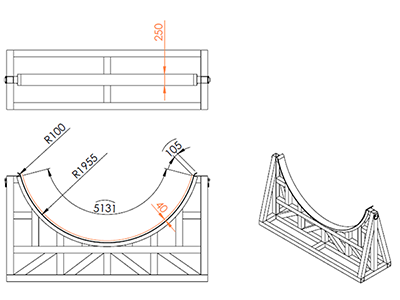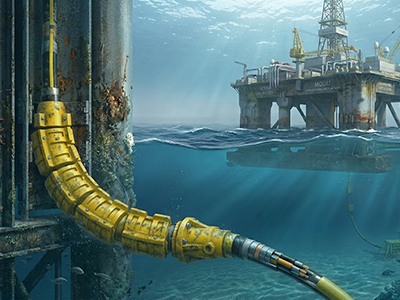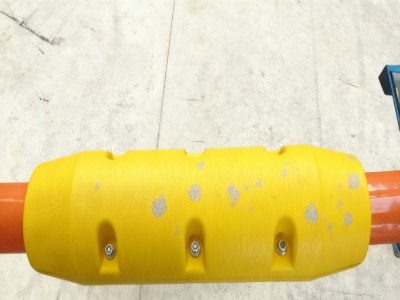
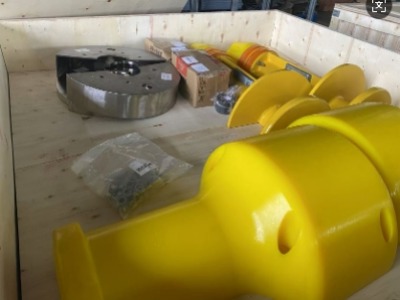
At Philson, we engineer robust Cable Protection Systems (CPS) specifically designed to safeguard subsea cables in the most demanding offshore environments. From offshore wind farms to subsea infrastructure, our solutions ensure your assets maintain a 25-year design life by mitigating dynamic stresses, abrasion, and seabed scouring.
Core Product for Cable Protection Systems (CPS) Solution
Our integrated Cable Protection Systems (CPS) solution is engineered for precision and durability:
Bending Restrictors: Utilizing advanced interlocking segments to ensure the cable never exceeds its Minimum Bend Radius (MBR).
Bending Stiffeners: High-performance polyurethane (PU) components that provide progressive stiffness to counter cyclic wave and current loading.
PU Protection Sheathing: Superior impact and hydrolysis-resistant outer layers, custom-molded to withstand harsh saline conditions.
Why Choose Philson for Cable Protection Systems (CPS)?
Precision Engineering: We design hardware for both traditional J-tube and modern J-tubeless configurations, ensuring optimal load distribution.
Material Excellence: Our use of specialized polyurethane ensures long-term chemical stability and exceptional mechanical strength, far outperforming metallic alternatives.
Versatile Mitigation: Beyond cable interfaces, we provide scour protection strategies including tailored concrete and frond mattress solutions to prevent free-span risks.
Technical Specifications & OEM Customization
As a specialized OEM manufacturer, Philson offers tailored production for complex subsea projects:
Custom Geometry: We manufacture according to your specific project requirements, including special-profile wheels or custom housing configurations.
Standardized Quality: Every component is rigorously tested for dynamic fatigue, impact resistance, and long-term subsea accessibility.
Global Reach: Trusted by international offshore energy projects for reliable, cost-effective, and durable protection.
Looking for a reliable OEM partner for your subsea project? Our engineering team is ready to provide customized CPS solutions tailored to your technical specifications