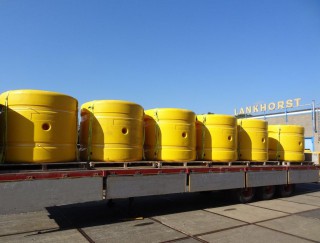
Buoyancy modules are durable, foam-based flotation devices essential for stabilizing subsea infrastructure in the oil, gas, and renewable sectors. By providing critical uplift, they reduce equipment load and optimize efficiency in harsh marine environments.
Key Configurations and Applications
Different subsea assets require specific buoyancy strategies. The industry categorizes these solutions based on their application:
1. Riser Buoyancy Modules Drilling and production risers connect the wellhead on the sea floor to the floating platform above. Without support, the sheer weight of these long steel pipes would be unmanageable for the platform's tensioning system.
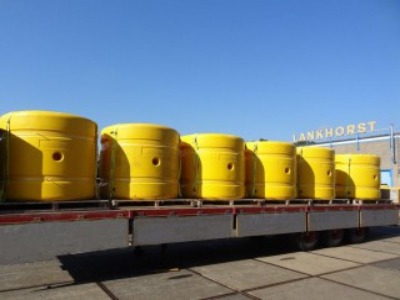
Riser Buoyancy Modules are typically semi-cylindrical elements strapped directly onto the riser joints. By providing distributed uplift, they reduce the top tension required by the drilling vessel, extending the fatigue life of the riser and allowing rigs to operate in deeper waters than their variable deck load would normally permit.
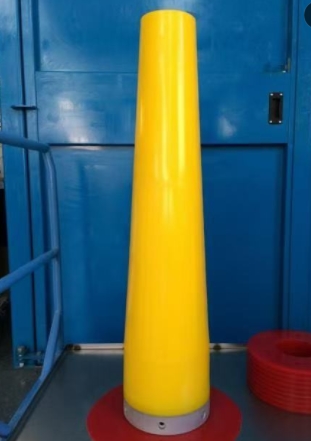
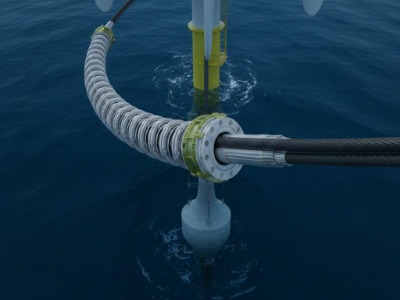
2. Distributed Buoyancy Modules (DBMs) For flexible risers, cables, and umbilicals, the preferred solution is often the use of Distributed Buoyancy Modules. Unlike riser modules which cover the length of the pipe, DBMs are placed at specific intervals to create a specific geometric configuration, commonly known as a "Lazy Wave" or "Steep Wave."
This configuration acts as a giant shock absorber. It decouples the vessel's motion (heave and surge caused by waves) from the touchdown point on the seabed. Consequently, Distributed Buoyancy Modules prevent kinking and damage to the flowline during harsh weather conditions.
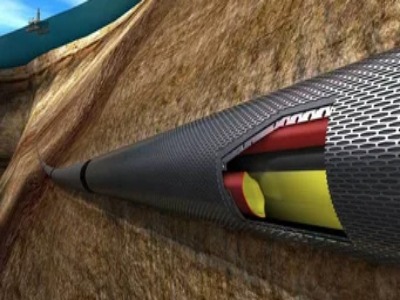
3. Pipeline Buoyancy Modules While risers are vertical or catenary, pipelines are generally horizontal. Pipeline Buoyancy Modules are frequently used during the installation phase (towing or lowering) to prevent the pipe from buckling due to excessive bending.
In some permanent applications, they are used to float pipelines over seabed obstacles or to reduce the on-bottom weight of the pipe to prevent it from sinking into soft clay seabeds. These modules ensure precise positioning and structural integrity during complex pipelay operations.
Conclusion
Whether supporting the extraction of hydrocarbons or stabilizing dynamic power cables for floating offshore wind farms, buoyancy is a critical component of the subsea supply chain. From Riser Buoyancy Modules that enable ultra-deep drilling to Distributed Buoyancy Modules that protect vital flowlines, these engineered foam systems ensure that offshore infrastructure remains stable, secure, and operational in the world's harshest environments.